


Anyaman (Weaving)
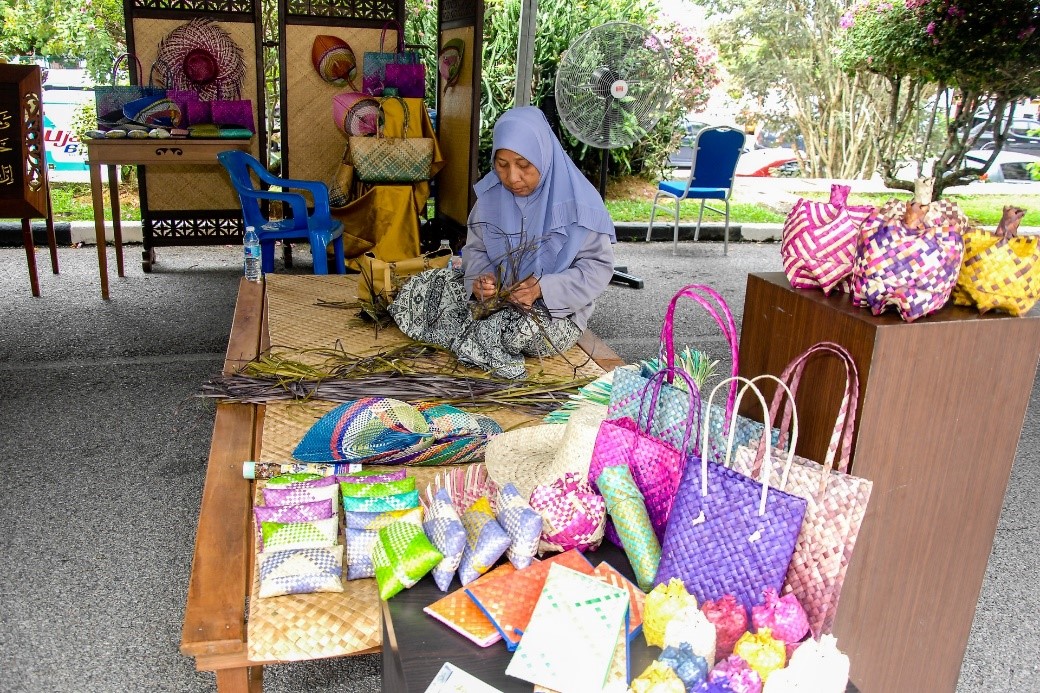
The art of anyaman, or weaving, has existed since ancient times, as seen in traditional houses where bamboo-woven walls showcase craftsmanship that has lasted to the present day. Houses with woven walls and nipa palm roofs remain cool, as the thick layers of nipa leaves provide natural insulation against heat.
Cords, roots, and rattan were among the earliest materials used in plaited handicrafts, forming a tradition that has persisted for centuries. These plant-based materials can be found abundantly in forests, swamps, villages, and coastal areas.
A diverse array of handcrafted items is produced using anyaman techniques, particularly with Pandanus species, such as pandan and mengkuang. The shapes of plaited items are influenced by their intended function, including baskets, hats, food covers, mats, and other everyday objects.
In addition to Pandanus, other commonly used materials include bertam, Engeissona tritis palm, and nipa leaves. Historical records from 1756 to 1794 mention the production of royal mats made from rattan and bemban weaving.
The process of anyaman, also known as menaja. The best started to begin weaving are in the morning or at night when the weather is cooler. During these times, the leaves are softer and easier to manipulate without cracking.
Beyond flat, two-dimensional mats, three-dimensional plaited forms were also created. These traditionally used for storing daily necessities, including baskets, kampit (belacan containers), food covers, and kembal (woven trays).
Bamboo and bertam plaiting follow specific arrangements in vertical and horizontal sequences, while pandan and mengkuang leaves are interlaced diagonally. Kelarai weaving can be executed in single layers, open patterns, or organized into specific sections.
Mengkuang Weaving
Weave is a traditional craft that has significantly influenced the life and culture of the Malay community. The term "menganyam" refers to the technique of interlacing or crossing plant-based materials to create a strong and cohesive structure suitable for practical use.
Common materials used in weaving include sticks, rattan, roots, bamboo, pandan, mengkuang, jute, and others. These materials are generally easy to dry and remain flexible, making them ideal for crafting durable objects.
Carving
Wood Carving
Wood has long been regarded as a natural material that is both easily carved and durable, capable of lasting for centuries. Preferred types of wood include cengal, merbau, kempas, and others. The history of Malay wood carving can be traced back to the Melaka Sultanate, particularly in the decorative elements found in royal palaces
Residential wood carvings are especially renowned in states such as Kelantan, Terengganu, Melaka, and Negeri Sembilan. In addition, wood carvings can be found on a variety of structures and objects, including palaces, houses, mosques, gates, musical instruments, furniture, cooking utensils, and transportation items such as sampans, boats, horse-drawn carriages, and ox-drawn carts
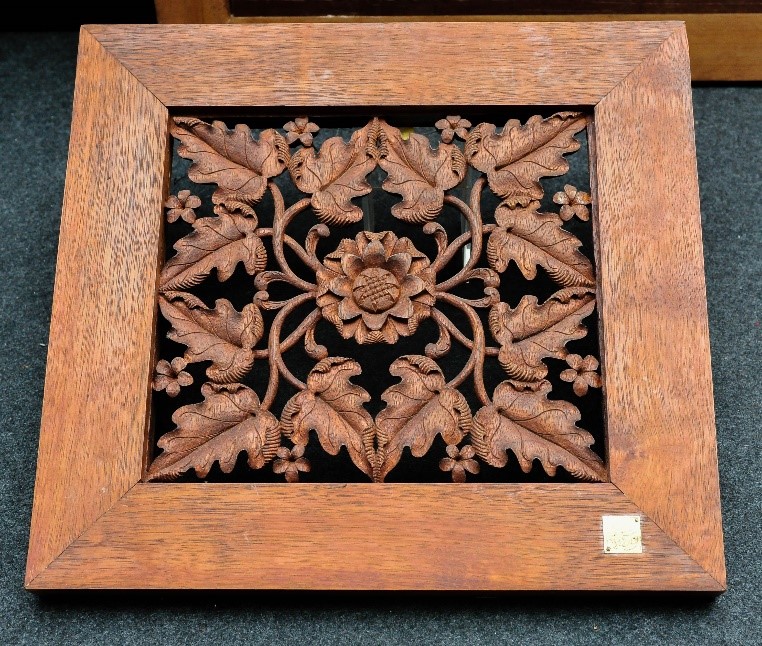
Figure 4: Wood carving using the pierced tembuk tembus bersilat technique, featuring motifs of bunga asam paya.
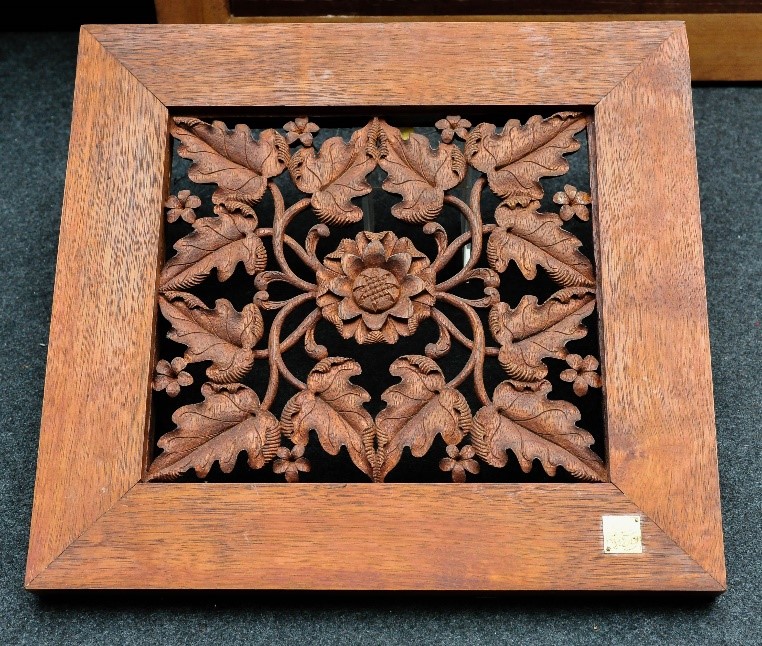
Figure 5: Wood carving using the raised pierced tebuk timbul bersilat technique, featuring motifs of bayam peraksi.
Handwoven
Royal Pahang Handwoven Fabric
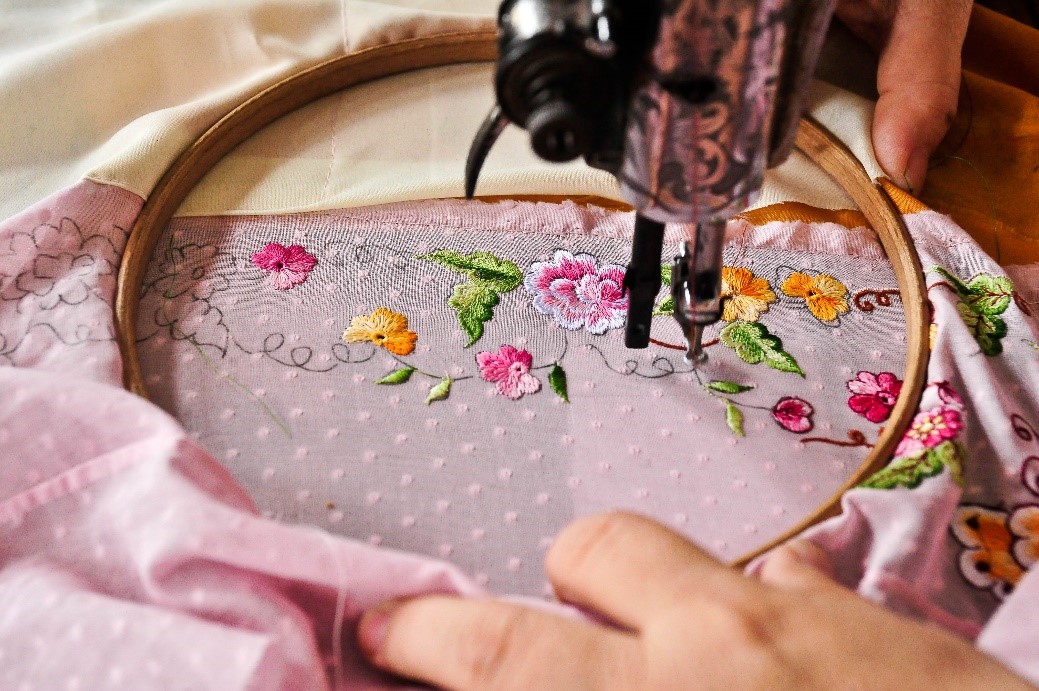
Figure 6: Thread embroidery produced using a machine.
Sarawak Beads
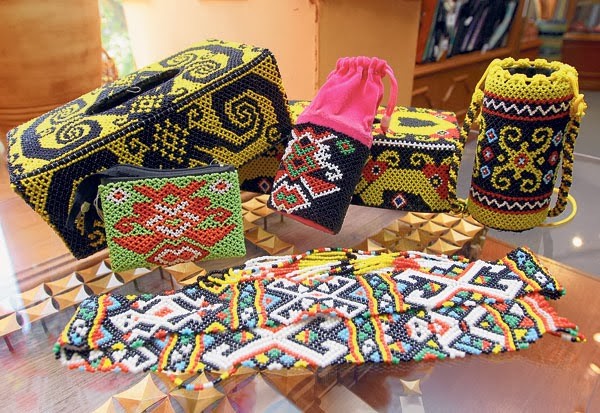
Figure 7: Sarawak beads are crafted and arranged into a variety of handmade items.
Beaded Shoes
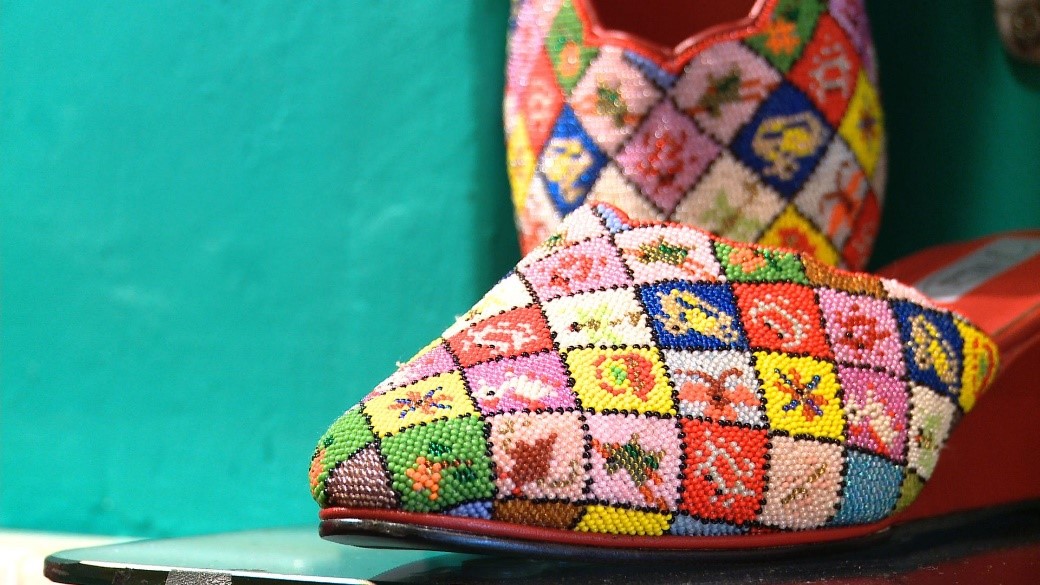
Figure 8: Beaded shoes decorated with a variety of intricate patterns.
Tekat
Tekat, also known as bersuji, is the art of embroidering gold threads onto a base fabric, typically velvet. This process involves a pemidang to stretch the fabric, a mempulur as a motif template, and gold threads to form the tekát floral patterns.
Tekát is one of the most prestigious forms of Malay textile heritage, with its origins and development closely linked to royal attire and palace furnishings.
Its early evolution can be traced back to the 15th century during the height of the Melaka Sultanate. The use of tekat embroidery is evident in the Baba-Nyonya community, which has incorporated it into its traditional clothing. Skilled artisans craft several types of tekat, including raised gold thread tekat, composed tekat, and tekat perada. Each type showcases exceptional craftsmanship, intricate design, and the cultural significance of Malay royal and ceremonial attire.
Handwoven
Royal Pahang Handwoven Fabric
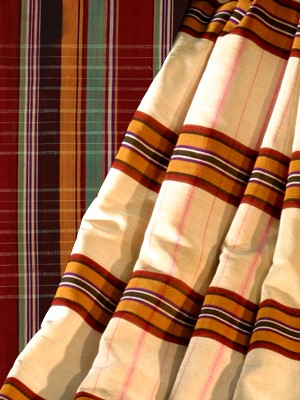
Figure 9: Royal Pahang handwoven fabric.
The handwoven fabric of Pahang serves as the official attire for dignitaries in the region. This weaving tradition was introduced to the people of Pahang, particularly in the Pekan district, by Tuk Tuan, also known as Keraing Aji, who was of Bugis descent and resided in Kampung Mengkasar, Pekan, Pahang.
Pahang weaving utilizes a loom called the kei siam and can be made from both silk and cotton threads. The fabric features modest yet distinctive decorative patterns, often in stripes or squares, and may be interwoven with gold or silver threads. Several traditional motifs exist, including horizontal and vertical stripes, kain beragi, corak rawa, Bugis patterns, and the Muar motif.
Pottery
Labu Sayong
Labu Sayong is a traditional pottery form made from clay, either fired or sun-dried. It is commonly used for storing water and food, especially preserved items like pekasam, budu, and tapai. It is believed that cooking and serving food in Labu Sayong vessels enhances the flavour, and water stored in these containers is considered fresher and reputed to have beneficial properties.
The name Labu Sayong derives from its shape, resembling a gourd (labu), while Sayong refers to the village of Kampung Sayong in Kuala Kangsar, Perak, where this pottery is primarily produced. There are various types of Labu Sayong pottery, including labu leper, labu bocong, labu tela, labu pucung, and labu panai.
Metalwork
In Peninsular Malaysia, the use of metal in daily life dates to ancient times, and the production of engraved metal tools and objects has continued to this day. The Malay community has long been skilled in creating a wide variety of metal items.
This craft is particularly concentrated in the urban areas of Kuala Terengganu, especially in Kampung Ladang and Tanjung, and is traditionally practiced on a small scale. Workshops are often located beneath the high-pitched houses of the artisans. Approximately 90% of the metalworking process is performed by hand, with only light machinery used during the final cleaning stages.
Handcrafted copper items can generally be categorized based on their function: traditional or ceremonial purposes, decorative pieces or souvenirs, and household utensils.
Brass Utensils
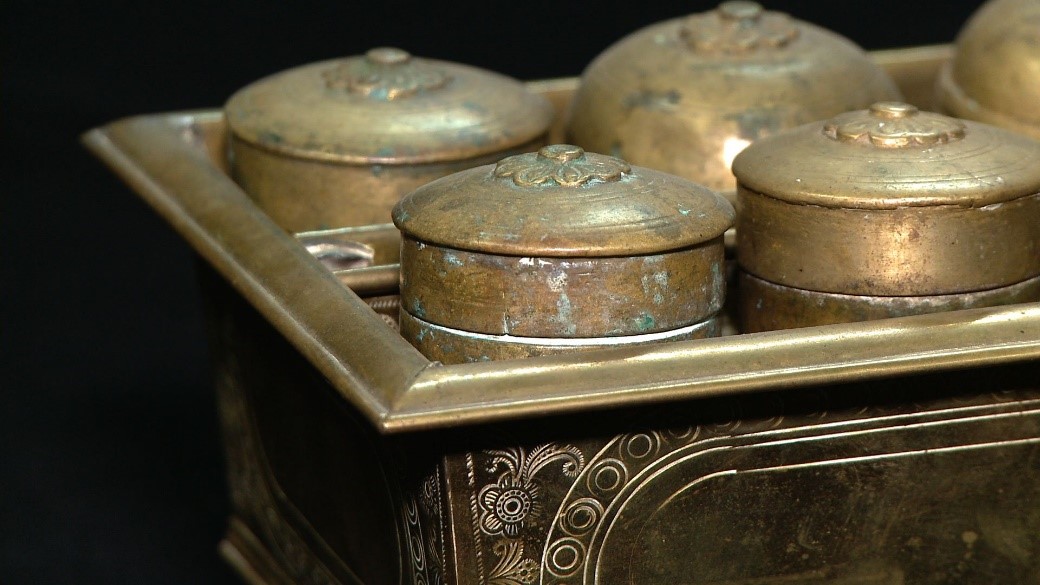
Figure 11: A cembul set on a tepak sirih container, featuring raised pierced copper engraving.